Awareness: Action-Oriented Economic Re-Education that Prioritizes the Black Experience
Alumni Day 2026
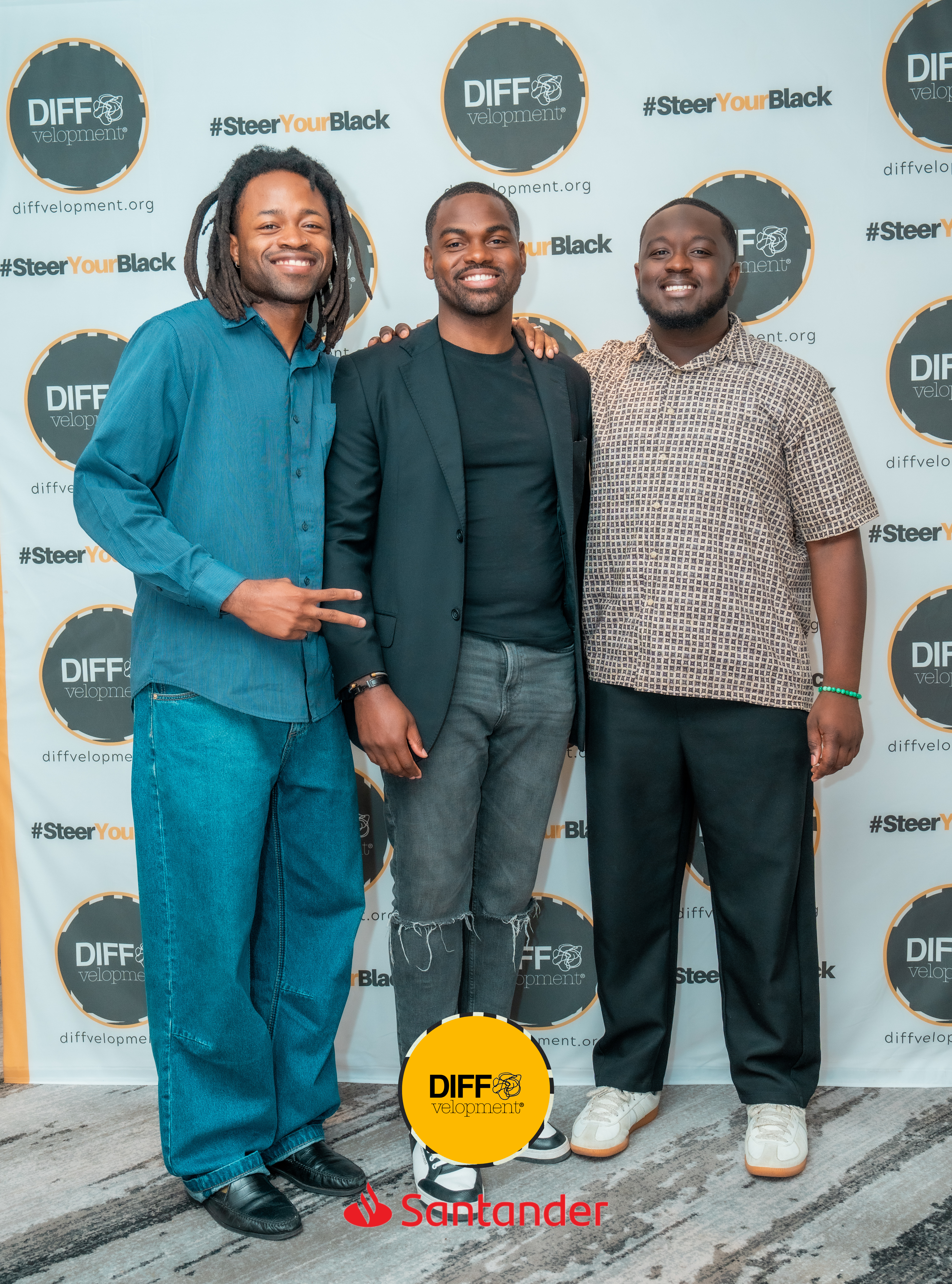
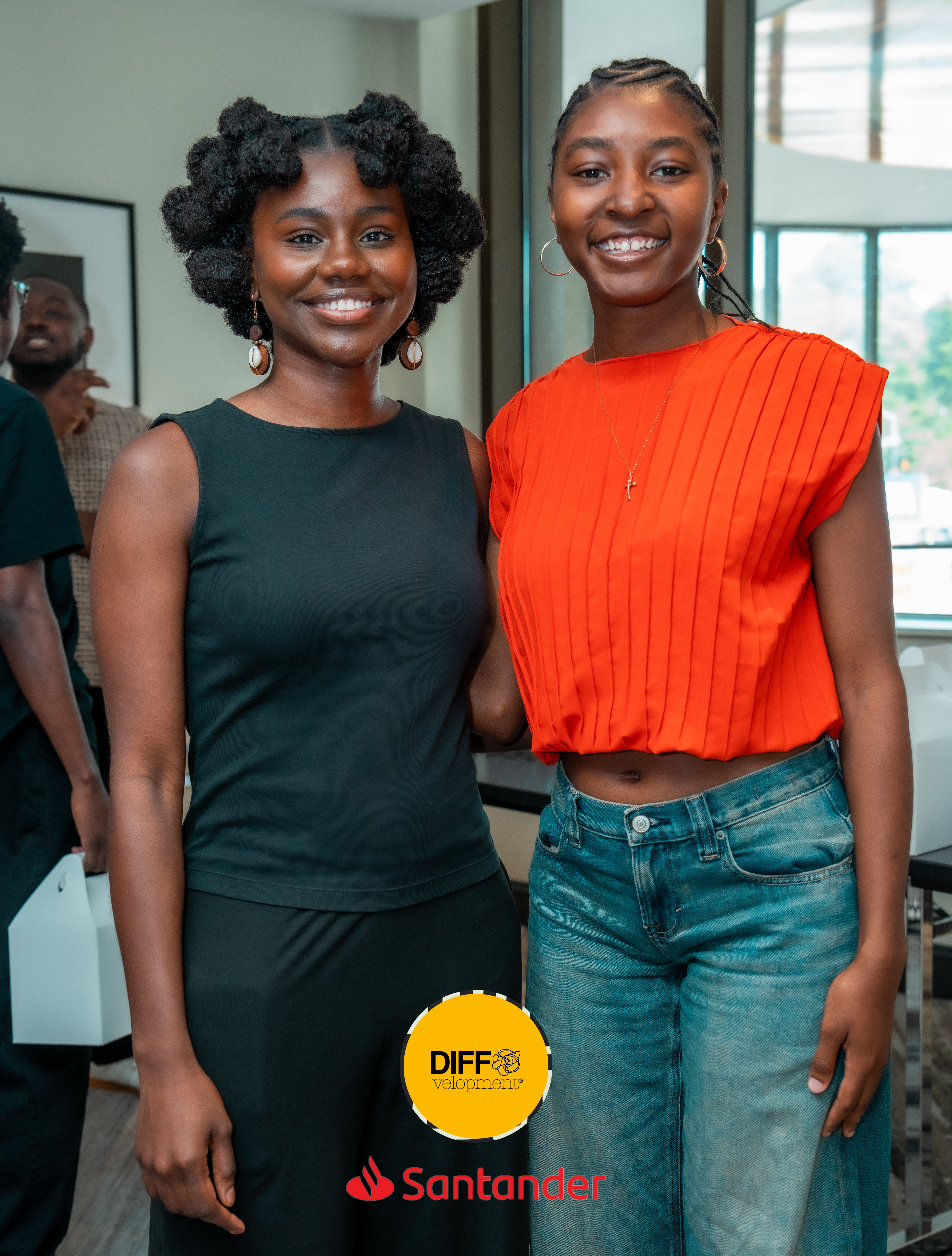
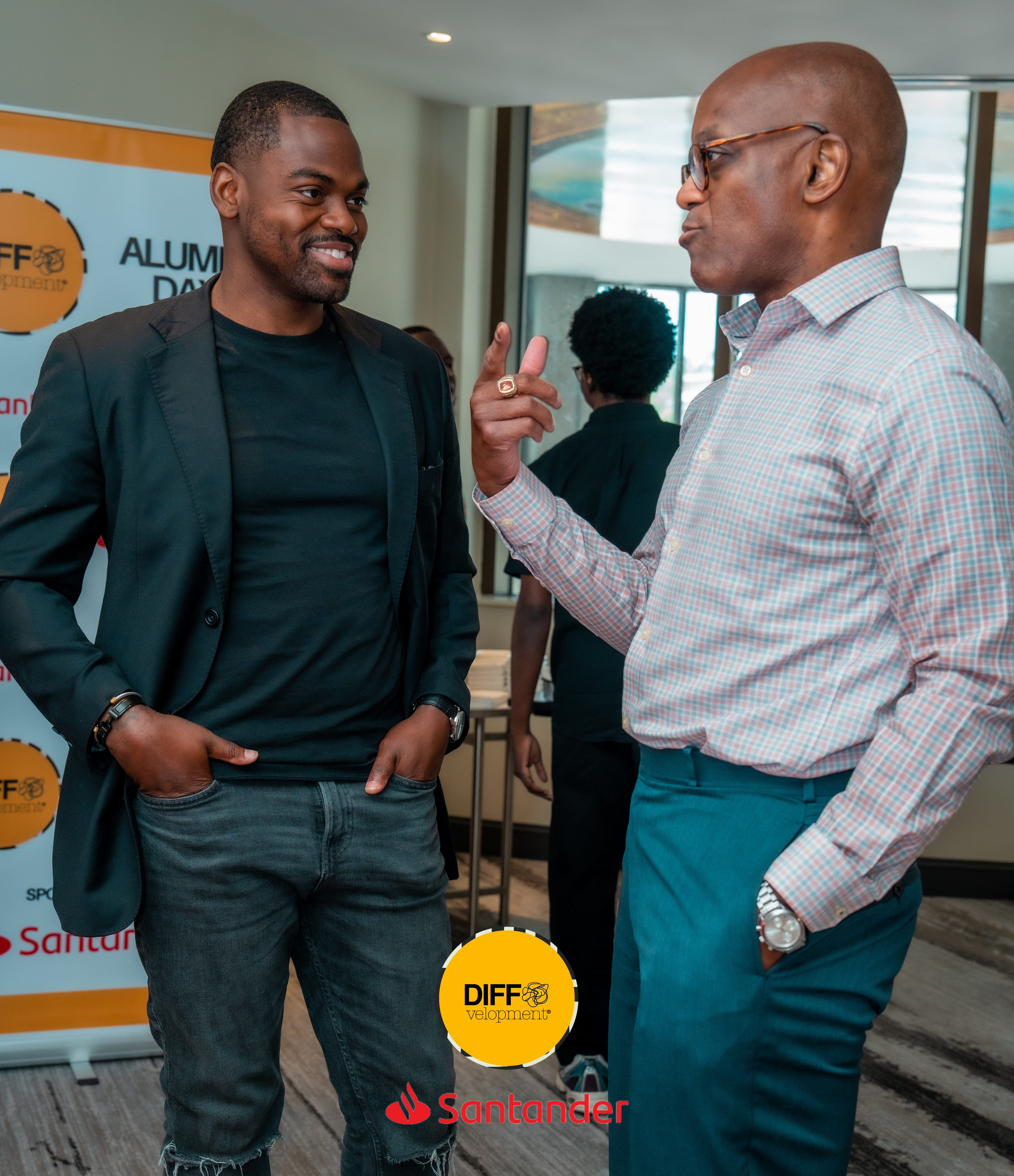
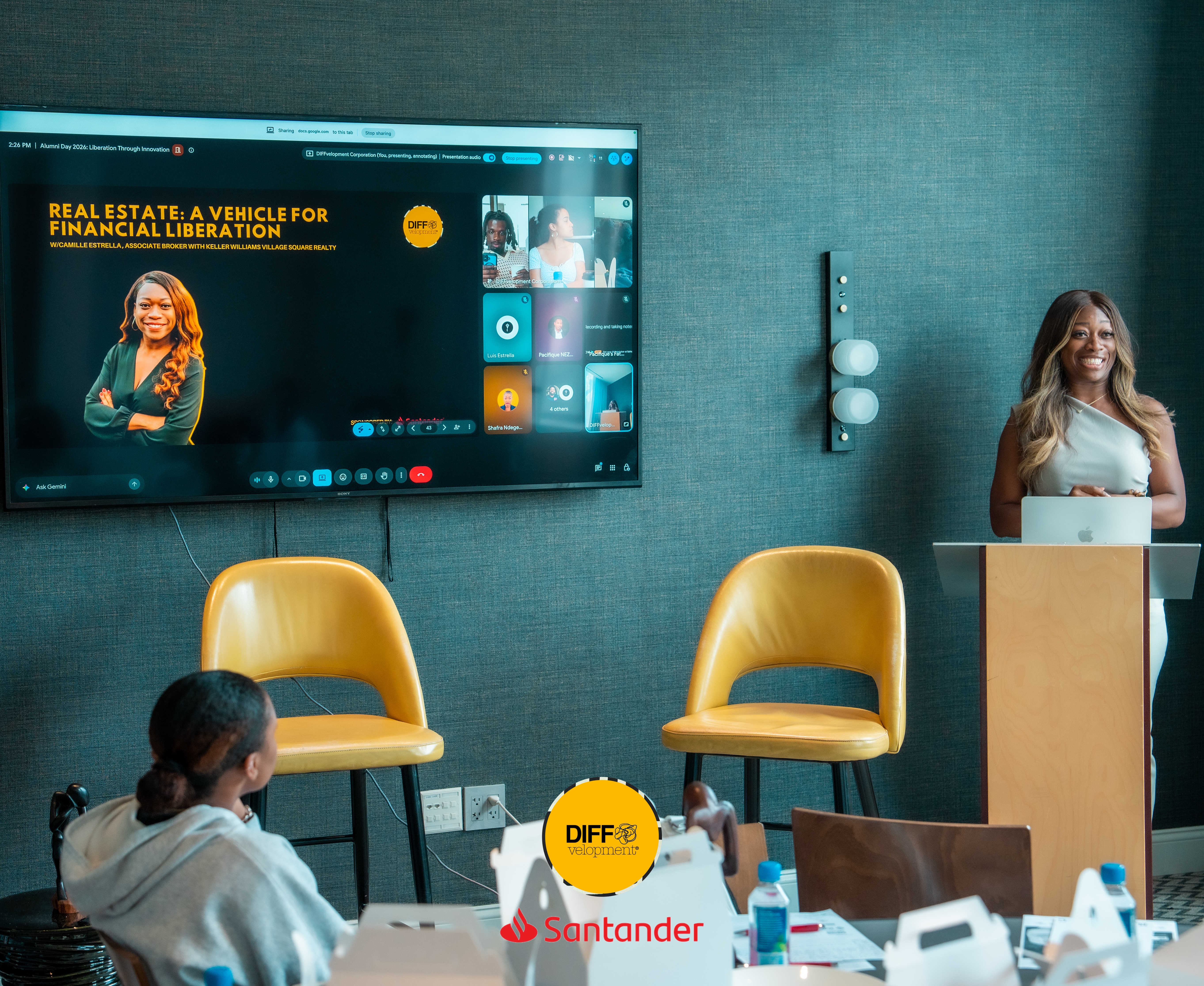
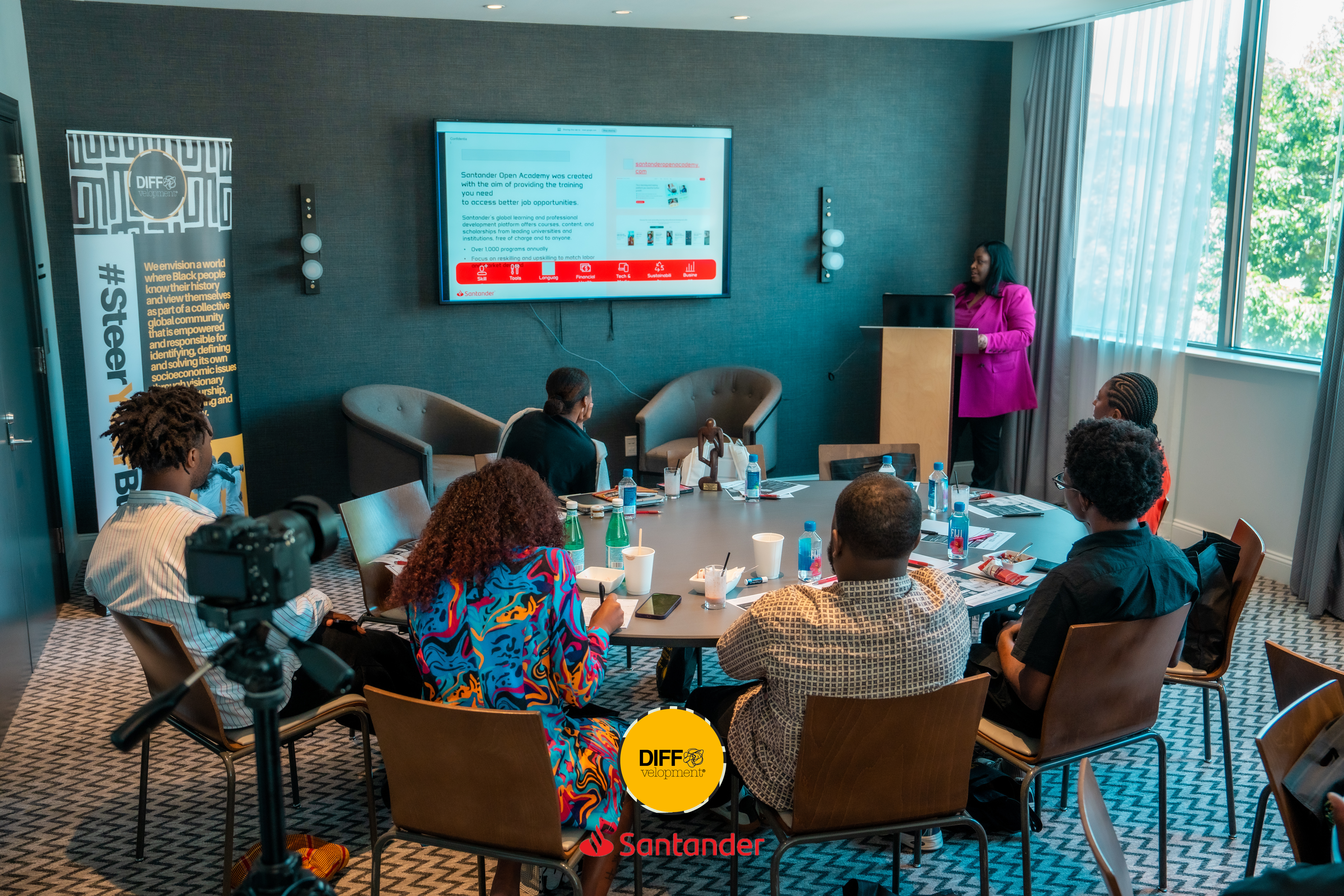
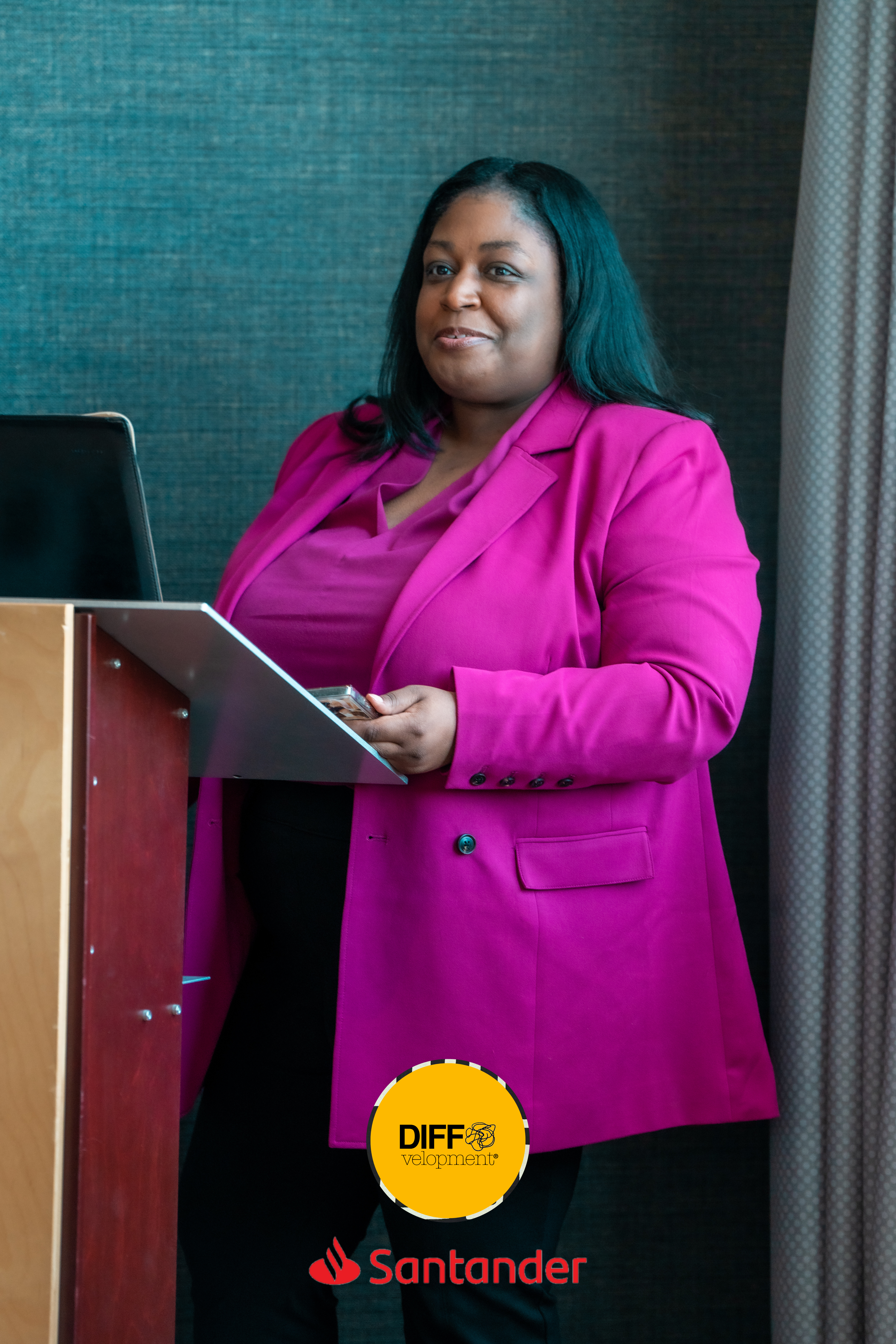
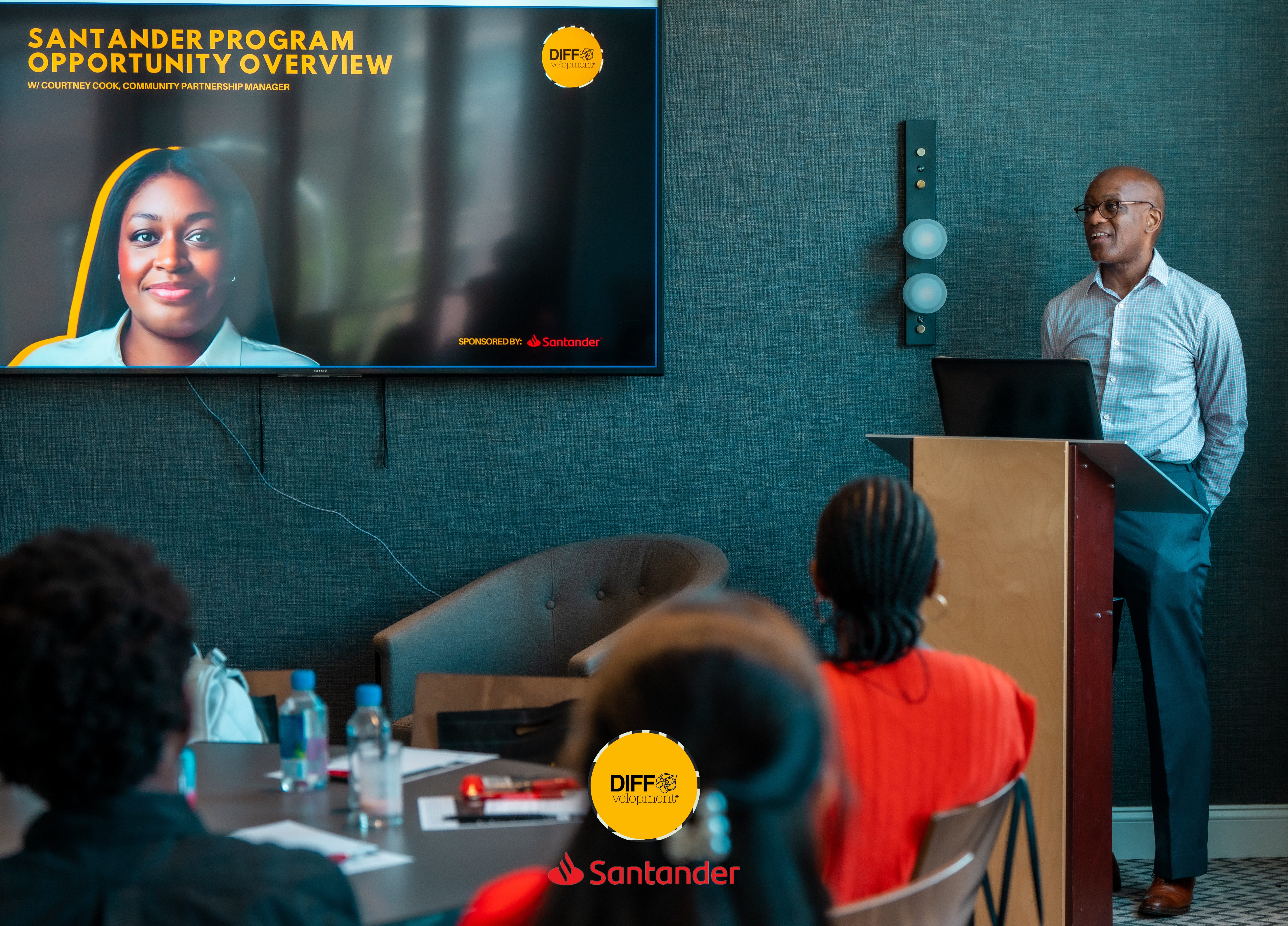
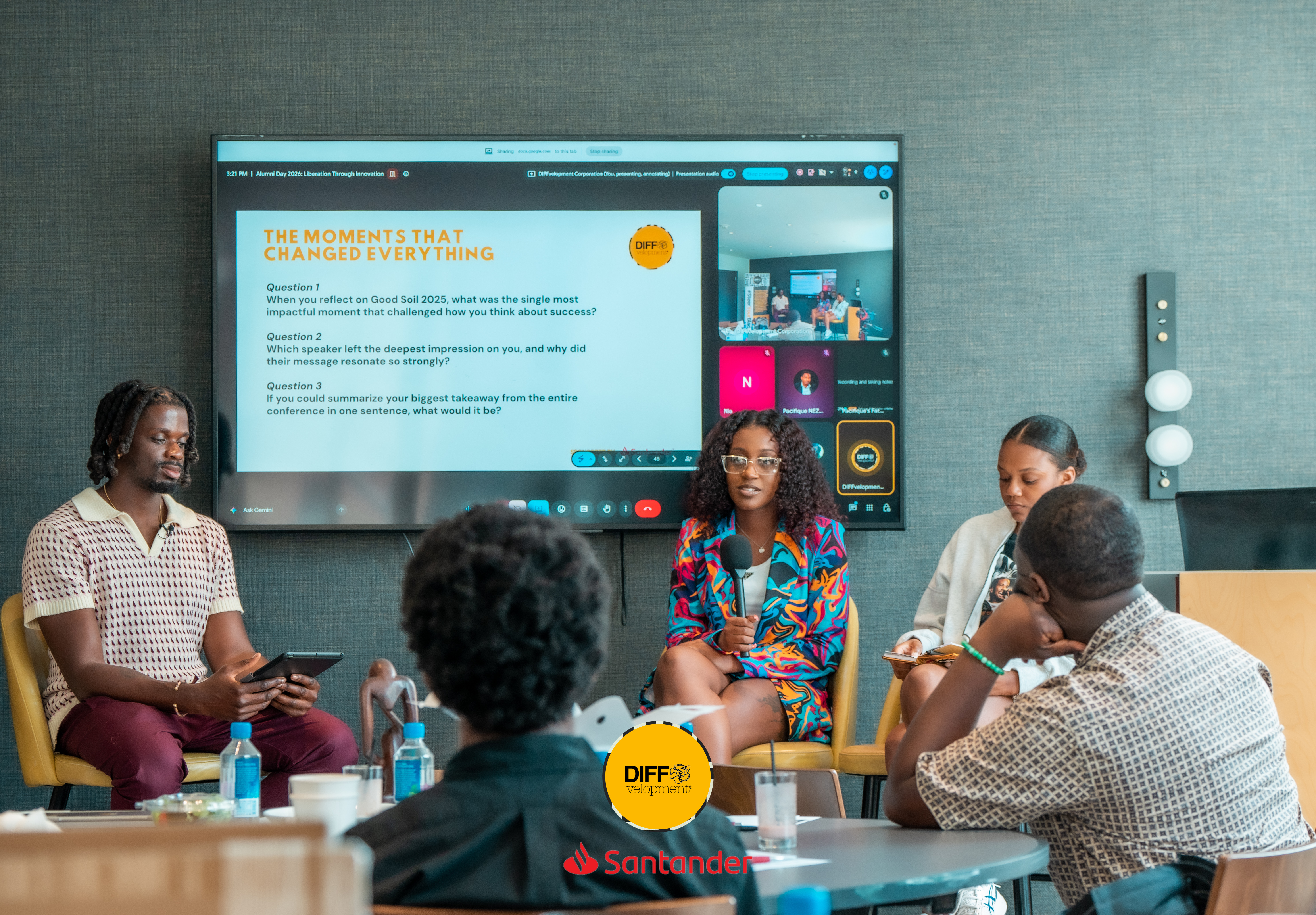
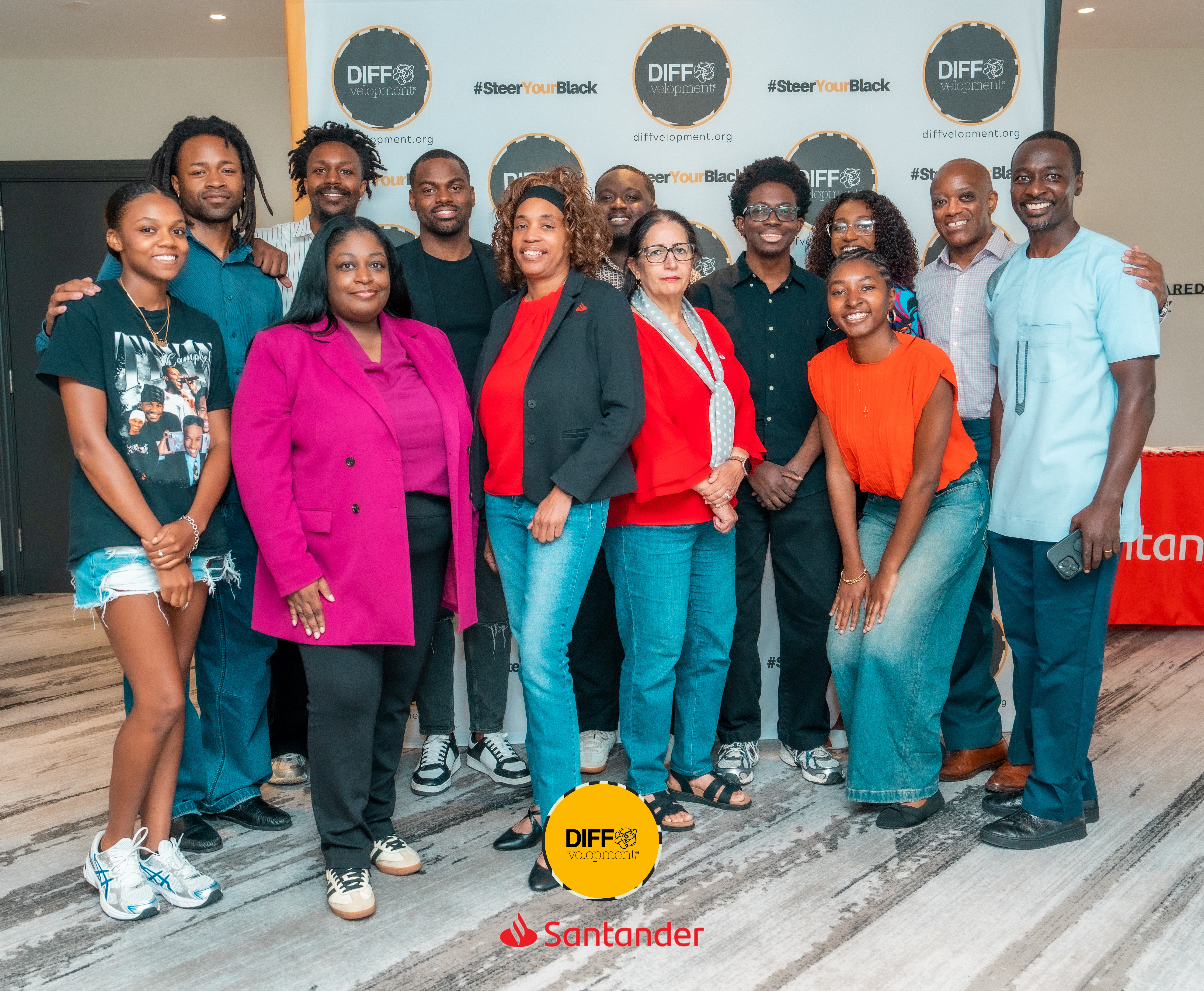
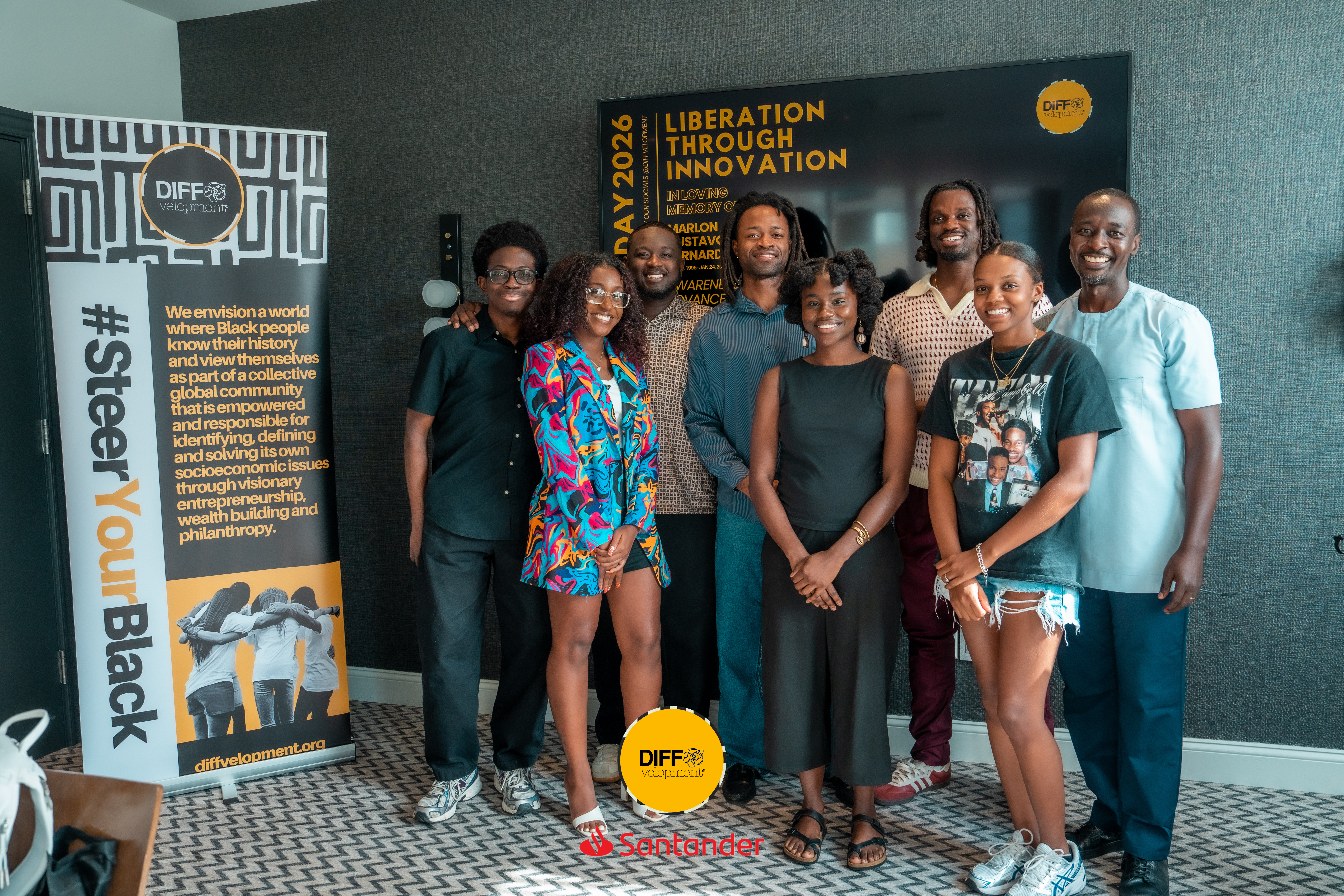
Awareness is where people begin to see possibility differently – not because every barrier has disappeared, but because they can better recognize their own agency within the realities they face. In Q3 2026, that shift came into focus during DIFFvelopment’s ninth Alumni Day and its alum-led Liberation Through Innovation masterclass.
The gathering brought together Consultrepreneurship alumni across cohort years, locations, and stages of life. Twenty-five alumni registered across the two formats—13 in person and 12 virtually—creating space for reconnection, reflection, and renewed investment in the thinking required to keep advancing after a program ends.
Seeing Beyond the Obstacle
The masterclass—led by 2019 Consultrepreneur, Anthony Reid—asked alumni to examine the internal and external barriers they believed stood between them and their next level of business, career, or financial advancement. Six alumni completed matched pre- and post-masterclass assessments. After the session, all six moved toward lower agreement that those obstacles stood between them and their next level. Four identified more opportunities than they had seen before, and five explicitly reported a change in their outlook or in the quality of their thinking.
These are small-sample findings, but they point to something important: psychological re-empowerment is not the denial of real constraints. It is the ability to name those constraints without allowing them to define the full field of possibility.
The masterclass did not ask alumni to pretend that capital, access, discrimination, or personal responsibilities are insignificant. It asked them to distinguish a real obstacle from an inevitable outcome—and to identify where strategy, innovation, relationship-building, or a different use of existing resources could create movement.
As one of the alums stated, “When I did the survey the first time, I kept saying, ‘I need money. Money is what I need.’ After the presentation, I realized I already have the resources I need—it’s a matter of focusing and stewarding them appropriately.”
Awareness That Must Be Renewed
DIFFvelopment’s work does not assume that one program experience permanently protects a person from doubt, scarcity thinking, or the weight of difficult systems. New seasons bring new obstacles. Growth requires participants to return to the historical context, disciplined reflection, and community accountability that first helped them see themselves differently.
That is why our alumni-focused Lifelong Support Program matters. It creates opportunities for alumni to pause, reassess, and remember that the knowledge gained through the Consultrepreneurship was never intended to remain in a classroom. It was meant to become a way of interpreting problems, making decisions, and continuing forward with purpose.
This is awareness in action.
Not the absence of limitation, but the recovery of vision within it.
In Q3, alumni did not simply leave with more information. They left seeing more clearly what could still be built, changed, and pursued.
Once DIFF, always DIFF.
As an alum or community member, your support helps us continue creating spaces where historically grounded learning can be renewed across every stage of the journey.
Advancement: Activated & Hungry to Effect Change
Consultrepreneurship
The Consultrepreneurship is built to do more than teach business. Over 10 weeks, Black college students move through Africana economic history, mentorship, weekly seminars, guest entrepreneur lectures, business concept development, professional coaching, applied consulting, and culminating presentations. The program is designed to help participants connect historical consciousness to the practical work of overcoming socioeconomic barriers and building personal, generational, and communal wealth.
The Consulting Practicum is one component of this dynamic experience. Working in teams with a Black-owned DIFF Client, Consultrepreneurs must conduct research, ask and respond to difficult questions, navigate ambiguity, integrate different business perspectives, and produce recommendations that a real company can use. Alongside their seminars, individual business concepts, advising, and supervisory feedback, the Practicum gives participants a place to test how they think, communicate, collaborate, and create value under real-world conditions.
In Q3, seven active Consultrepreneurs representing six countries and at least five Black identity groups entered that broader learning experience. One of the clearest signs of their advancement was not simply what they completed, but how their questions and professional instincts changed.
The Questions Changed
In Week 3, Joseph Egbunike openly acknowledged that his team had misunderstood part of the project structure. Rather than conceal the gap, he explained how the team had already revised its approach and sought clarification to improve the work. By Week 7, when the DIFF Client critiqued a sales outreach strategy, Joseph did not merely accept the feedback; he asked the DIFF Client to explain how he would improve the cold-calling approach. By Week 8, Joseph was synthesizing recommendations from Strategy, Operations, Finance, and Sales into an 18-month execution roadmap.
His progression reflected a wider shift across the cohort. Regine Niyorukundo (in the above video) moved from facilitating her team and coaching a peer through stronger client questions to presenting an integrated operations system—and recognizing that implementation would need to account for Finance, Strategy, and Sales. Phatamarha Noel turned financial analysis into a management dashboard and staged strategy for reporting, forecasting, reconciliation, and systems improvement. Carter Jackson strengthened the Sales team’s recommendations by moving beyond assumptions and incorporating research, industry evidence, and a clearer implementation approach.
These moments matter because they reveal the learning that can be missed when advancement is measured only through completed assignments or quiz scores. Consultrepreneurs were learning to admit what they did not yet know, justify their recommendations, challenge one another’s assumptions, apply feedback, and consider how decisions in one part of a business affect the whole.
By the final DIFF Client presentation, that development was visible to someone outside the program. The DIFF Client said Phatamarha’s work had come “a long way from the beginning,” praised Regine’s structure, honesty, work ethic, and cross-functional thinking, and identified ways Joseph’s roadmap could support expansion into another market. He told the cohort that he intended to apply as many recommendations as possible and assured them that their work would not be “in vain.”
The Practicum is not the whole Consultrepreneurship experience. It is one of the places where the program’s historical grounding, entrepreneurial learning, mentorship, feedback, and emphasis on community responsibility become visible in how participants work.
In Q3, advancement sounded like a cohort asking sharper questions, listening more carefully, connecting ideas across disciplines, and building solutions useful enough for a real business to act on.
This is advancement made visible.
Not simply knowing more, but becoming increasingly able—and increasingly responsible—to create value with what one knows.
Transformation: Developing Their World DIFFerently
The Council on Global Black Development
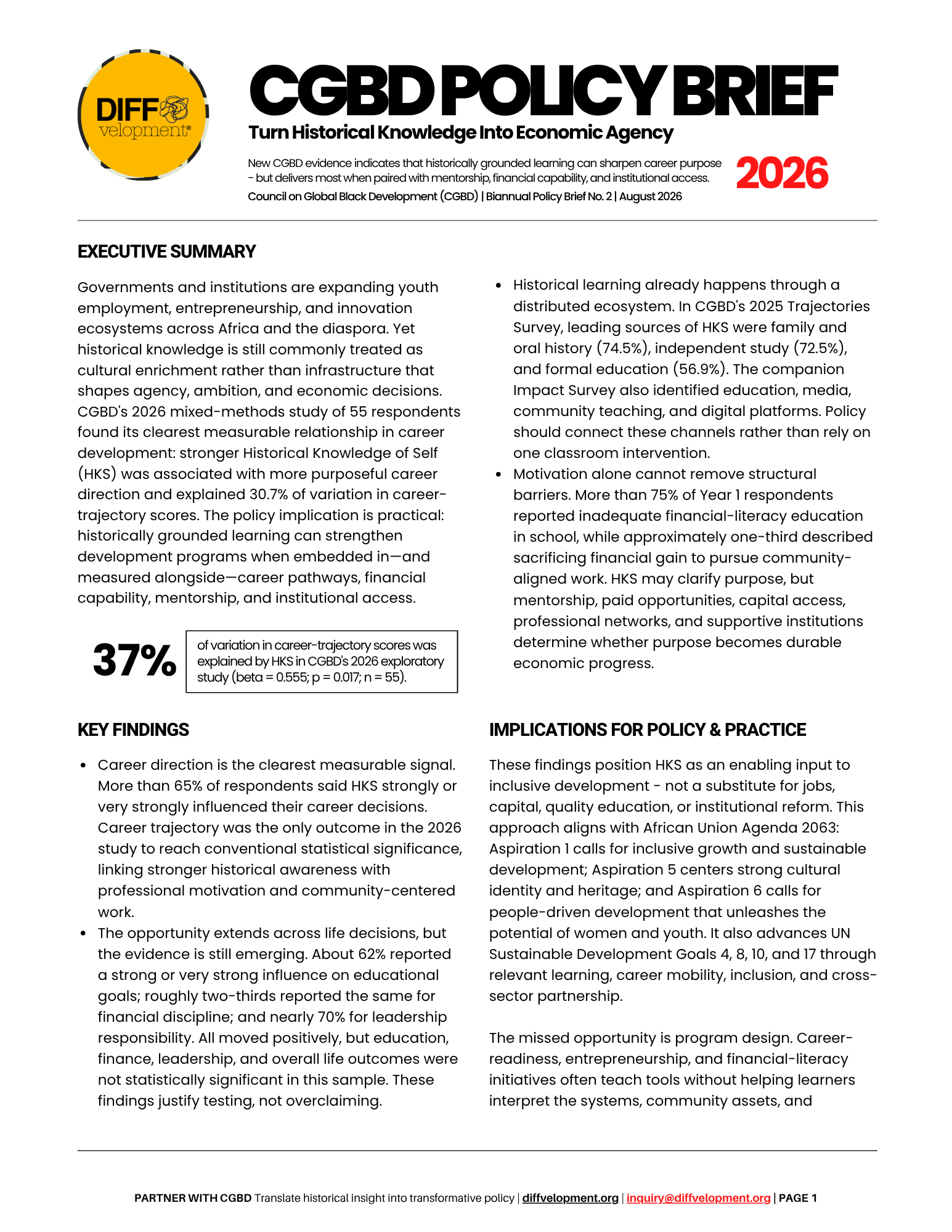
Transformation, at DIFFvelopment, becomes measurable when historically grounded insight moves beyond personal reflection and begins producing evidence capable of shaping institutions, policy, and development practice. In Q3 2026, the Council on Global Black Development Fellowship reached that turning point by advancing from data collection into analysis and draft recommendations.
Previous quarters documented the careful work of building research tools, refining case studies, strengthening citations, and preparing for data collection. Q3 produced the next layer: findings.
From Global Voices to Evidence
The Trajectories Department completed a mixed-methods study of 55 respondents across 13 countries. Its analysis examined how Historical Knowledge of Self relates to decisions and behaviors in education, career, financial management, leadership, and community responsibility.
Approximately 66% of respondents reported that Historical Knowledge of Self strongly or very strongly influenced their career decisions and financial discipline. Sixty-nine percent reported a comparable influence on their sense of leadership responsibility. The strongest statistically significant relationship appeared in career outcomes, where Historical Knowledge of Self explained 30.7% of the variation in career-trajectory scores.
These findings do not suggest that historical knowledge erases structural barriers or determines a person’s future. They provide evidence of a meaningful relationship: when Black people understand the histories, systems, and collective legacies shaping their lives, that understanding may influence how they choose work, approach money, and define leadership.
Research That Moves Toward Recommendation
At the same time, the Impact Department expanded its comparative portfolio from six to eight global Black communities, completed its first expert interview, and developed seven evidence-linked draft recommendations. The team also demonstrated research integrity by narrowing earlier claims where the available evidence did not yet support a broader conclusion.
The expanded case portfolio allowed Fellows to compare how historical knowledge and cultural transmission operate across distinct regions and political contexts. That comparative approach is essential: global Black communities share connected histories, but responsible recommendations must account for the differences in how those histories are remembered, interrupted, and applied.
Together, the Fellowship’s Q3 assignments produced at least eight substantive internal thought-leadership outputs, exceeding the year’s goal of five. Four of five active Fellows applied historical analysis to economic or social problem-solving, demonstrating that the research process is developing the researchers even as it generates knowledge for others.
The work is not yet complete. The outputs remain internal drafts, participation must become more consistent, and findings must be validated before external dissemination. But the shift from research infrastructure to research evidence is significant.
CGBD exists because DIFFvelopment believes Historical Knowledge of Self should be studied not as symbolic or optional knowledge, but as actionable intelligence. Evidence like this can help schools, governments, funders, and development institutions ask better questions about what prepares Black people to build purposeful careers, practice financial discipline, lead responsibly, and contribute to their communities.
This is transformation at the systems level.
In Q2, the Fellowship moved from concept to structure. In Q3, structure began producing evidence. The next step is to turn that evidence into public thought leadership, stakeholder dialogue, and practical recommendations that institutions can use.
If you are a government, foundation, academic institution, or development partner exploring how historically grounded research can inform education, economic development, and policy, connect with us to learn more.
Organizational Updates
Building the System Behind a Five-Program Quarter
Q3 2026 demonstrated what stronger internal systems can make possible. DIFFvelopment expanded from two active programs in May to five by June: Consultrepreneurship and Lifelong Support, the Council on Global Black Development Fellowship, the Black Generational Wealth Program, SHEAdapt, and the DIFF Center pilot.
Team members are increasingly owning their responsibilities with appropriate supervision, while the Operations & Programs Coordinator is managing day-to-day programming and operations. These shifts are supporting more consistent execution across countries and programs.
The quarter also generated important learning. BGWP expanded into simultaneous delivery in Nigeria and Zambia, with different outcomes reinforcing the need to adapt facilitation and participant preparation to context. SHEAdapt completed its graduation and product exhibition, while DIFF Center generated early pilot interest ahead of its Q4 launch.
Visibility grew alongside delivery. Compared with Q2, LinkedIn clicks increased 57%, reactions increased 67%, and new followers increased 71%, entirely through organic growth. Website engagement time rose from 1:14 to 1:43, search impressions grew approximately 67%, and email deliverability improved substantially.
Q3’s clearest organizational lesson is that stronger systems are now producing both broader execution and greater attention. The next priority is conversion: connecting that attention to applications, donations, partnerships, registrations, and sustained participation.
Together, this progress reflects our 2026 strategic theme: Scaling Authentically Through Systems and Stewardship.
Fundraising Progress
Turning Growing Impact Into Sustainable Support
Q3 2026 made one reality especially clear: expanding impact must be matched by sustainable capital.
During the quarter, DIFFvelopment grew its active program portfolio, delivered programming across multiple countries, generated new research evidence, supported alumni, and strengthened its public visibility. Yet operating revenue did not keep pace with that growth. Q3 operating revenue totaled approximately $9,927, with a $7,500 corporate Santander contribution representing the quarter’s largest source of support and individual donors contributing approximately $2,400.
We are grateful for every institution and individual who invested in the mission. Their support sustained program delivery, Alumni Day, research, evaluation, and the systems behind a growing global portfolio.
At the same time, the quarter reinforced the need for a more diversified and predictable funding base. Strong engagement does not automatically become investment, and visible impact does not sustain itself. Multi-year institutional partnerships, flexible operating support, recurring individual giving, and earned-revenue pathways are all essential to DIFFvelopment’s long-term stability.
As we enter Q4, our fundraising focus is conversion: deepening current relationships, activating new institutional pathways, growing recurring support, and preparing the DIFF Center’s formal launch as an earned-revenue pathway.
If DIFFvelopment’s growing body of evidence resonates with you, this is the moment to help ensure the work can continue with the quality, consistency, and integrity it requires.
How You Can Support Our Efforts
Does DIFFvelopment’s mission resonate with you? Join us in expanding our impact by empowering more aspiring Black visionaries to develop their world differently.
There are many ways to get involved:
- Invest in Our Growth: Your support helps us create sustainable personal, generational, and communal wealth-building opportunities.
- Professional Mentorship: Share your expertise to guide the next wave of Black leaders.
- Fundraising Collective: Partner with us to drive resources and grow our programs.
Fill out our Professional Mentorship & Fundraising Collective Enrollment Form and let us know how you’d like to contribute to DIFFvelopment’s mission.
Together, we can shape a brighter future!